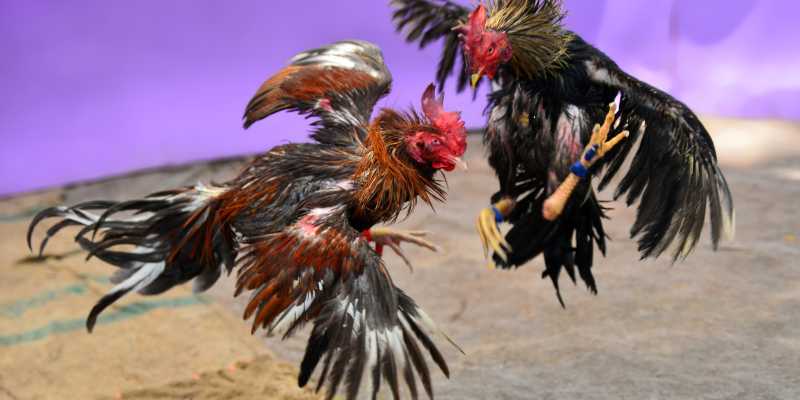
General Introduction to Cockfighting Betting
When you think about raising chickens, there are definitely a lot of things you need to know, especiallyhow to train chickens. Training chickens is not just about teaching them a few moves, but also about helping them develop into healthy, intelligent, and better fighting chickens. In this article,m88 we will explore effective training methods, factors that affect the development of chickens, as well as some important notes during the training process.
A broader understanding of chicken training
Before you start training your chicken, you need to understand the nature and personality of this animal. Chickens can have different personalities depending on the breed, or even the individual. To train them effectively, the first thing you need to do is create a suitable environment and a sense of trust for the chicken.
Chickens generally prefer to be in an open space and not be disturbed by the presence of strangers or other pets. This is important so that the chicken can fully concentrate on the training.
Understanding the psychology of chickens
Chickens, like any other animal, have their own psychology. They can feel anxious, nervous or even panic when placed in a new situation. Therefore, understanding and having a clear plan before you start will be an important first step.
Building trust with your chickens is important, because if they feel safe and secure, their learning will be much quicker and more effective.
Creating a training space
In addition to understanding the psychology of chickens, you also need to prepare a suitable training space. This space should be low noise, large enough for the chicken to move without anxiety. A space decorated with familiar objects will help the chicken feel more comfortable.
You can use your chicken’s favorite food to encourage it to participate in the training process. Food is not only a reward but also makes it easier for the chicken to learn.
Conduct basic training exercises
Once you have a good environment, you can now move on to basic training. This can start with simple commands like “sit”, “stand”, “come” or “back”. These exercises are not only fun but also help your chicken develop physically and mentally.
Remember that each training session requires consistency and patience. If you keep changing commands or rewards, your chicken will become confused and will not learn effectively. Set aside 15 to 30 minutes a day to train each chicken.
Setting up a nutritional regimen for chickens
One of the important factors affecting the effectiveness ofhow to train chickensis nutrition. Adequate nutrition will help chickens have better health, thereby supporting knowledge acquisition and skill development.
Make a reasonable menu
Each breed of chicken will have different nutritional needs. You need to analyze the specific needs of the breed of chicken you are raising, then create a reasonable menu. Some of the main foods for chickens include grains, green vegetables, meat and vitamins.
Combining these foods in a balanced way will ensure the health of the chickens, while also providing the necessary energy for the chickens to function.
Regular health check-ups
Don’t forget that chickens can also have some health problems if they are not properly cared for. Therefore, you should check your chickens’ health regularly to detect problems early and take timely measures. Signs such as not eating, tiredness or not being active should be noticed.
Once the health of the chicken is ensured, training will become much easier.
Allocate meal time reasonably
In addition to a specific menu, it is also very important to create feeding habits for your chickens. Try to feed your chickens at the same time every day to help them form a habit.
Not only does this keep them healthy, it also creates a great opportunity for you to incorporate training exercises into your chickens’ feeding times.
Building fighting skills for chickens
If your goal is to have powerful fighting cocks, then building fighting skills is paramount. This training requires not only strength but also flexibility and intelligence.
Flexible movement skills
One of the basic skills that a fighting cock needs to have is the ability to move flexibly. You can start training by creating small challenges to encourage the cock to run or jump in different directions.
Try running your chickens around a certain area and using food as motivation. Once they get used to moving, you can gradually increase the difficulty by designating a few specific routes.
Strengthen
Not only lack of strength but also speed is essential in fighting skills. Nutrition plays an extremely important role in enhancing the strength of the chicken.
You can also give your chickens exercises like jumping high or running long distances to help them become more skilled. However, remember that training needs to be adjusted properly and should not be pushed too hard.
Practice reflex skills
Fighting cocks need not only strength but also agility and alertness in situations. This can be achieved by creating simulated situations where the cocks can practice their reflexes.
Reflex exercises can involve moving quickly around the chicken and asking them to perform certain movements such as hip swings, jumps, or turns. This will not only help the chickens to be flexible, but also increase their ability to react when faced with unexpected situations.
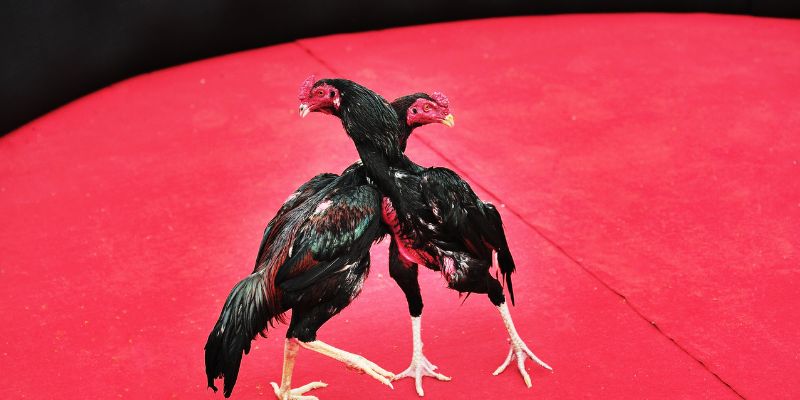
NTips and notes on how to train chickens
Although there is a lot of basic knowledge abouthow to train chickens, but there are still some tips and notes you should keep in mind to make the training process more effective.
Always stay patient and calm
This is an important point in the training process. Chickens are not like dogs, so all the actions and commands you give may not be carried out immediately. Always keep yourself patient and do not get angry or scold them.
Patience is the key to successful training. If you want to see Progress in your chickens, be patient and take your time getting to know them.
Use rewards wisely
Rewards are an effective tool in training chickens. You can use their favorite food to motivate them when they complete a task. However, it is important to note that rewarding too often can cause the chicken to become dependent and not try hard enough.
Instead, use rewards wisely and at the right time to encourage your chicken to follow your commands.
Record the training process
Finally, a simple yet extremely effective tip is to keep a training record. This way you will have a clearer view of the development of each chicken.
Pay attention to your successes and failures during training and adjust your methods accordingly.
Frequently Asked Questions
How long does it take to train a chicken?
The time it takes to train a chicken depends on many factors such as the breed of chicken, the diet and the training method. Typically, a training process can last from several weeks to several months.
Is it necessary to train fighting cocks?
For fighting chickens, training is essential to maximize their fighting potential. Without training, the chickens will not be well prepared for the fights.
At what age can I train chickens?
You can start training chickens when they are young, about 2-3 months old, at this time the chickens are in a good development stage and are receptive.
Does training apply to egg laying hens?
Training techniques can be applied to laying hens as well, but most of them are focused on fighting cocks. However, you can still teach laying hens simple commands to make them easier to care for.
How to motivate chickens during training?
Using rewards (food) will be an effective way to motivate your chickens. In addition, creating a comfortable and quiet environment will also help them cooperate better in training.
Conclude
Throughout the article, we have delved intohow to train chickensfrom the most basic concepts to the complex details related to nutrition and fighting methods. Hopefully this knowledge will help you double the joy and enjoyment of raising your chickens.
Raising chickens is not just a journey of care but also an art, and training is the way to perfect and enhance the value of the chickens. Let’s start today!